Master the Strict Pull Up
By Toby Williamson · February 1, 2026
Introduction
A staple in many fitness programs, strict pull-ups are an incredibly effective bodyweight (or weighted!) exercise for building upper body strength. Whether you’re a beginner or an experienced lifter, mastering the pull-up can significantly enhance your fitness and functional capabilities.
This guide covers everything you need to know about pull-ups, including how to perform them correctly, benefits, variations, common mistakes, and tips for maximizing your gains.
How to Perform a Strict Pull Up
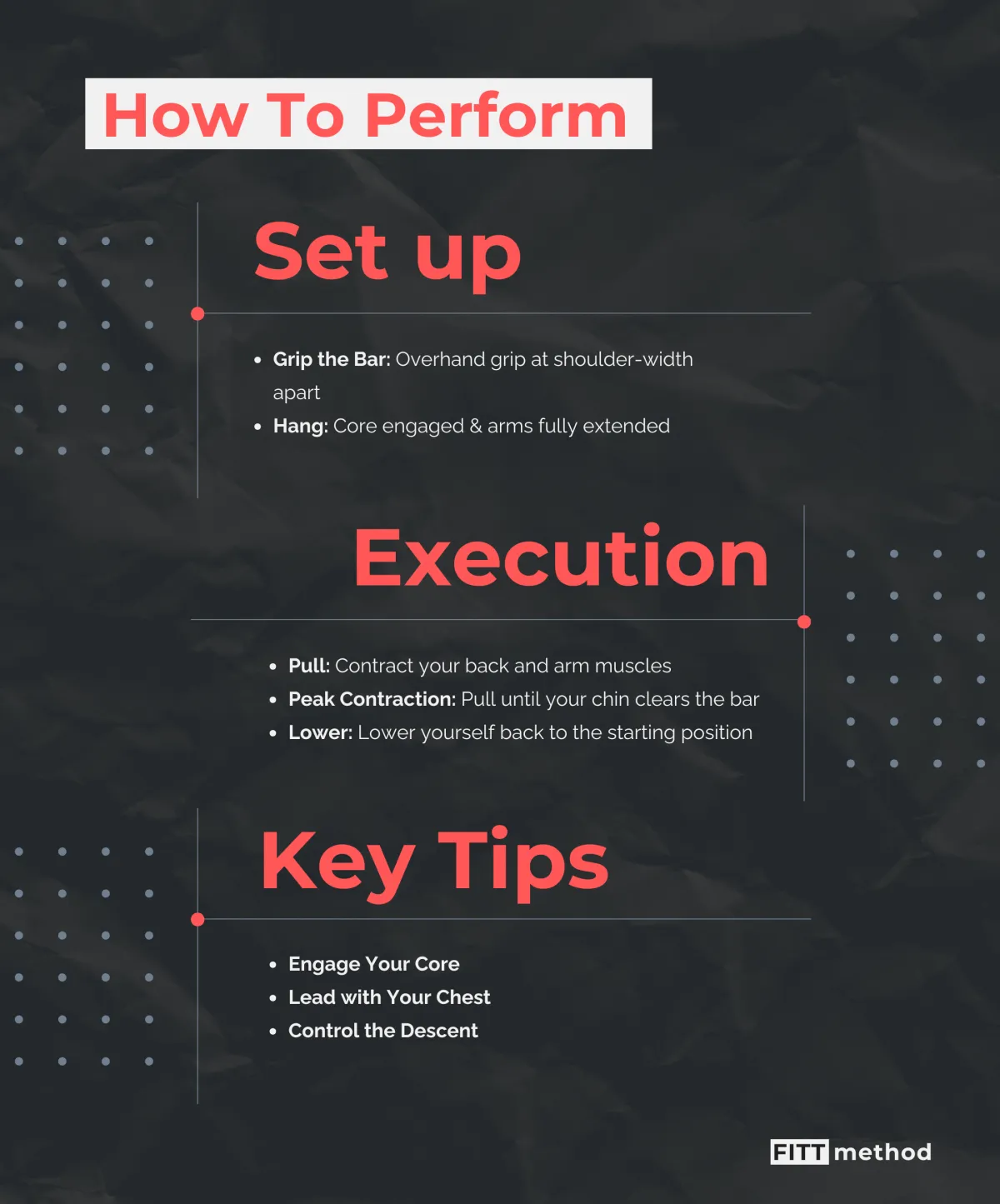
Setup
-
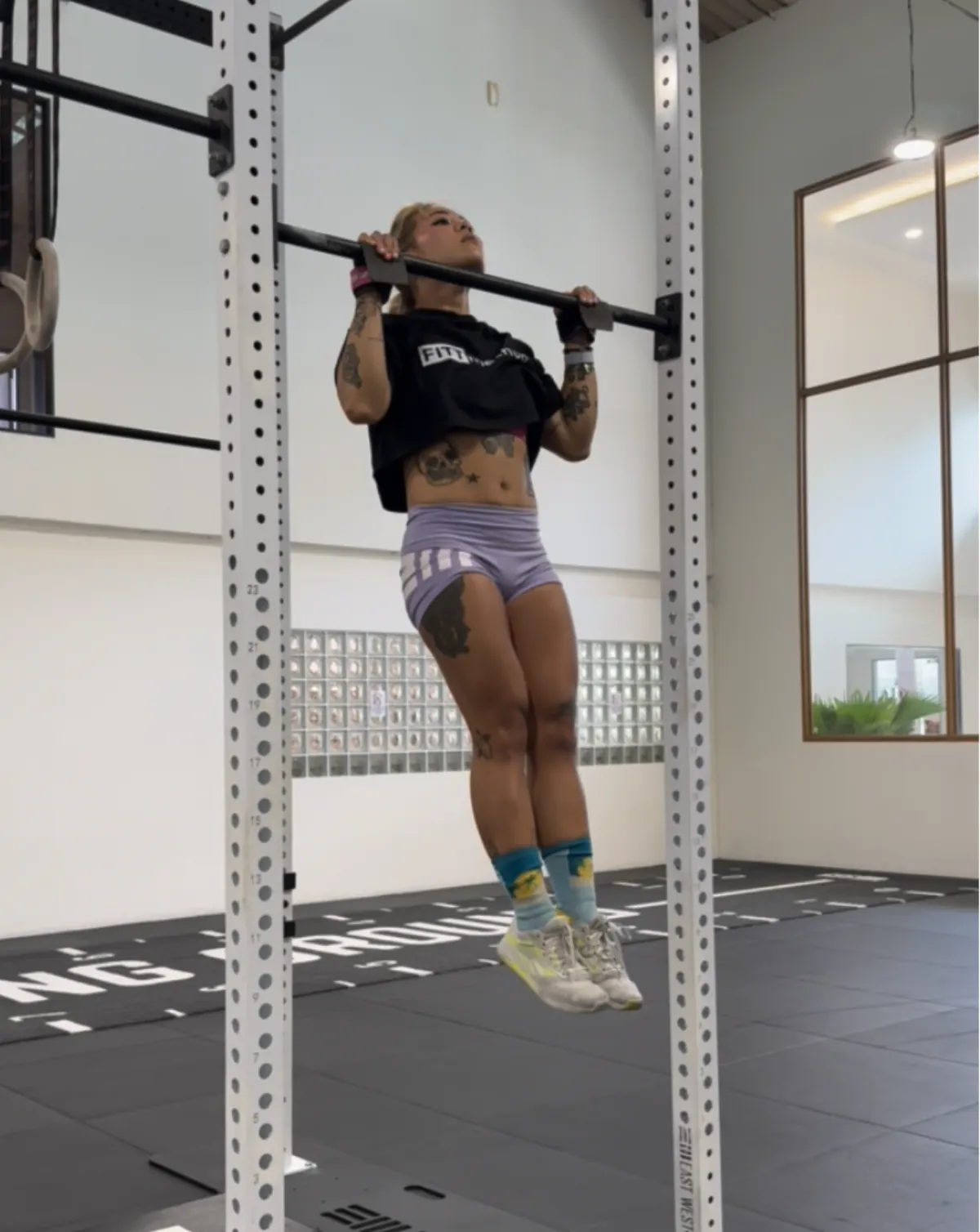
Grip the Bar: Stand below a pull-up bar and grasp it with an overhand grip (palms facing away from you) slightly wider than shoulder-width apart.
-
Hang: Hang from the bar with your arms fully extended, feet off the ground, and body in a straight line. Engage your core.
Execution
-
Pull: Pull yourself up towards the bar by contracting your back and arm muscles. Focus on bringing your chest towards the bar.
-
Peak Contraction: Continue pulling until your chin is above the bar. Hold this position briefly.
-
Lower: Slowly lower yourself back to the starting position with controlled movement.
Key Tips
-
Engage Your Core: Keep your core muscles tight to stabilize your body throughout the movement.
-
Lead with Your Chest: Aim to lead with your chest rather than your chin to ensure proper form and muscle engagement.
-
Control the Descent: Lower yourself in a controlled manner to maximize muscle activation and prevent injury.
Common Mistakes and How to Avoid Them
- Rounded Back:
-
Mistake: Rounding your back during the movement.
-
Correction: Keep your back straight and chest forward.
- Core Not Engaged:
-
Mistake: Not engaging your core.
-
Correction: Tighten your core muscles throughout the exercise.
- Using Momentum:
-
Mistake: Swinging or using momentum to complete the pull-up.
-
Correction: Focus on controlled, steady movements.
Benefits
-
Upper Body Strength: Pull-ups effectively target the muscles of the upper back, shoulders, and arms.
-
Functional Fitness: They improve functional strength useful in daily activities and sports.
-
Core Engagement: Pull-ups also engage the core muscles, promoting overall stability and strength.
-
Versatility: This exercise can be modified and varied to suit different fitness levels and goals.
-
Minimal Equipment: All you need is a sturdy pull-up bar, making it accessible and convenient.
Common Variations
- Chin-Ups:
-
Target Muscles: Biceps, back.
-
Setup: Use an underhand grip (palms facing you).
-
Execution: Perform the pull-up as described, but with the underhand grip.
- Wide Grip Pull-Ups:
-
Target Muscles: Upper back, shoulders.
-
Setup: Use a wider grip on the bar.
-
Execution: Pull yourself up with the wider grip, focusing on the upper back.
- Neutral Grip Pull-Ups:
-
Target Muscles: Back, biceps.
-
Setup: Use a neutral grip (palms facing each other).
-
Execution: Perform the pull-up with your palms facing each other.
- Assisted Pull-Ups:
-
Target Muscles: Back, shoulders, arms.
-
Setup: Use resistance bands or an assisted pull-up machine.
-
Execution: Perform the pull-up with assistance to help with the movement.
Conclusion
The pull-up is a cornerstone exercise for building upper body strength and improving overall fitness. By mastering proper technique, incorporating variations, and avoiding common mistakes, you can make pull-ups a highly effective part of your workout routine.